Home Support: Keeping Seniors Protected and Independent
Home care functions as an important support system for seniors, allowing them to live securely and independently within their own homes. By providing customized assistance, it addresses vital daily activities and health management. This approach not only minimizes risks but also creates a feeling of autonomy and comfort. Yet, the landscape of home care is diverse, including a variety of services that can be customized to meet individual needs. What are the specific options available, and how can they help?
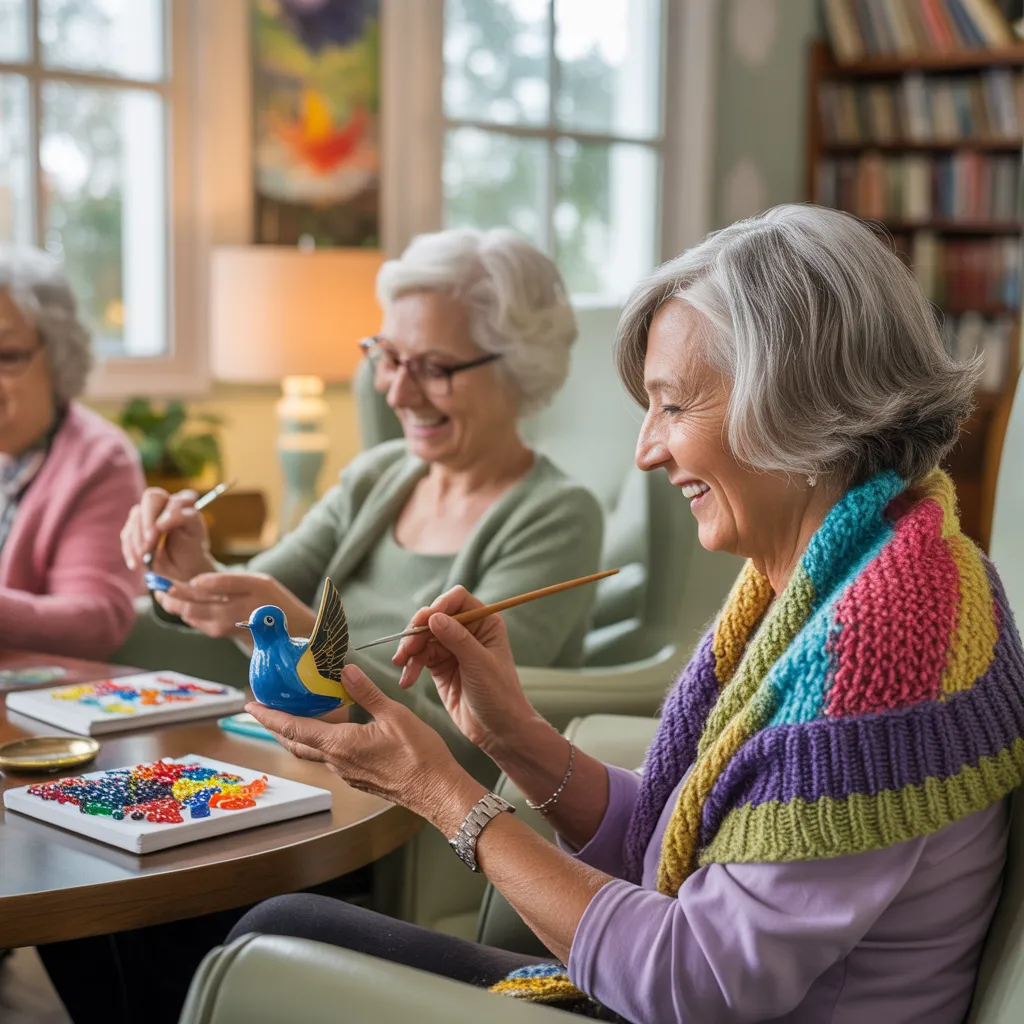
Ways Residential Care Protects Elderly Out of Harm's Way and Autonomous
Home care plays a crucial role in ensuring seniors retain safety and independence within their own homes. By offering personalized support adapted to individual needs, home care services empower seniors to handle daily tasks with confidence. Trained caregivers assist with essential activities such as medication management, meal preparation, and personal hygiene, lowering the risk of accidents and health complications.
In addition, home care offers a cozy environment, helping seniors to grow in a surrounding where they feel safe. This familiarity can lessen feelings of isolation and boost mental well-being. Home care professionals also watch changes in health status, ensuring timely interventions when necessary. The presence of a caregiver can avoid potential hazards, such as falls or unsafe living conditions, further increasing safety. Ultimately, home care helps seniors live with dignity while receiving the support they need to remain in control of their lives.
What are the different types of Home Care Services?
What varieties of home care services are provided to assist seniors in their daily activities? essential information Various alternatives cater to the diverse needs of older adults. Personal care services help with daily tasks such as bathing, grooming, and dressing, guaranteeing seniors maintain their hygiene and comfort. Home health care is dedicated to medical needs, providing skilled nursing and therapy services to manage chronic conditions or recovery from illness.
Companionship services provide emotional support and social engagement, aiding in the fight against loneliness. Homemaker services help household chores such as meal preparation, cleaning, and laundry, ensuring a safe living environment. Transportation services allow seniors to attend appointments or social events, encouraging independence. Lastly, respite care provides temporary relief for primary caregivers, giving them crucial breaks. Together, these services create an extensive support system tailored to enhance the quality of life for seniors while supporting their independence.
Why companionship is important in in-home care
Companionship plays a crucial role in the overall well-being of seniors undergoing home care. Social interaction strongly affects emotional health, easing feelings of loneliness and depression. When caregivers give companionship, they build trust and facilitate communication, allowing seniors to express their needs and concerns more freely.
Moreover, having a companion can enhance mental faculties through interactive talks and joint engagements, which may help reduce cognitive decline. Companionship also motivates seniors to remain active and involved in their communities, fostering a sense of purpose and belonging.
Additionally, mental assistance from a companion can increase resilience during challenging times, making it easier for seniors to adapt to changes in their health or living conditions. Ultimately, developing these ties can lead to a more fulfilling and improved life for seniors, enabling them to maintain their independence while receiving the necessary care.
Personalizing Home Care Plans for Unique Needs
When focusing on the varied needs of seniors, customizing home care plans becomes important to provide adequate support and well-being. Every senior's situation is individual, determined by circumstances such as health conditions, mobility levels, and personal preferences. Adapted plans can address specific medical needs, like medication management or physical therapy, while also factoring in emotional support and social interaction.
Involving care providers who understand the person’s history and interests builds a meaningful connection, improving the overall care experience. Consistent assessments support adjustments to the care plan, ensuring it changes with the senior’s shifting needs.
Engaging family input can further adjust these plans, fostering a shared approach that values the senior's honor and self-governance. By prioritizing customization, home care services can effectively promote independence, safety, and a better life quality for seniors, ultimately leading to a more meaningful living experience at home.
An Overview of Knowing the Fees of In-Home Care
Comprehending the charges associated with home care help is important for families in need of the best aid for their elderly loved ones. Home care costs vary considerably depending on the level of care required, the geographic region, and the particular assistance provided. Families should consider the distinction between hourly rates for caregivers and the potential costs of full-time care.
Besides caregiver wages, additional factors such as transit costs, health supplies, and administrative charges can also influence the overall financial burden. Insurance coverage, including Medicare and Medicaid, could impact out-of-pocket costs, so families should review their policies with care.
Budgeting for home care demands an all-encompassing understanding of these variables. Families are encouraged to explore multiple care options and seek advice from professionals to create a tailored plan that meets both financial and care needs. This preparation can lead to informed decisions that improve the standard of living for seniors.
Frequently Inquired Information
What is the best way to measure the excellence of a home care provider?
To evaluate the caliber of a home care provider, one should examine credentials, client reviews, service offerings, staff qualifications, and responsiveness. Moreover, visiting facilities and performing interviews can provide valuable insights into their broad care standards.
What qualifications should caregivers need for home care services?
Caregivers should have relevant qualifications, such as CPR and first aid, along with instruction in personal care, medication management, and communication skills. Experience in elder care and a caring demeanor further enhance their qualifications.
How can I involve My relative in care decisions?
You can involve a family member in healthcare choices by supporting open discussions, carefully considering their choices, supplying options, and ensuring they are treated with respect and appreciation during the course of decision making, thereby promoting their autonomy.
How to Identify Signals a Older Adult Needs In-Home Care?
Indicators that a senior needs home care are increased forgetfulness, difficulty performing daily tasks, unexpected weight loss, frequent falls, social withdrawal, or medical conditions that require help. Noticing these changes may show a need for extra support.
What is the best way to transition a elder to home care without issues?
To move a senior to home care effortlessly, include them in discussions, evaluate their needs, establish a routine, gradually introduce caregivers, and maintain open communication to build trust and comfort during the adjustment period.